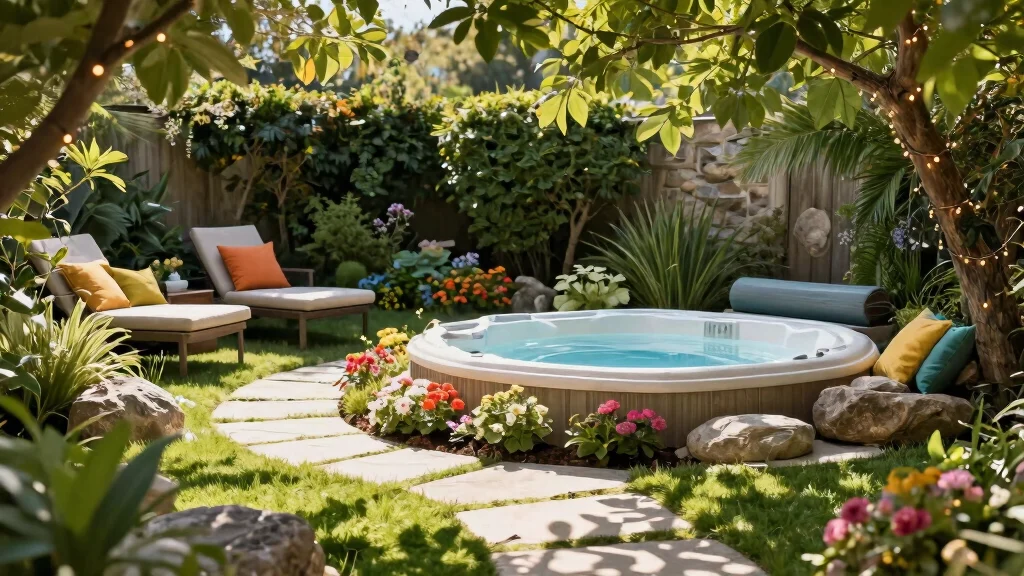
Creating the perfect outdoor living space often boils down to the little details that bring it all together. If you’re planning to install a hot tub, you might already be feeling the excitement of cozy evenings under the stars. Yet, before you dive into relaxation, you need to consider one crucial aspect: the right base for your hot tub. A solid, well-thought-out base not only supports the weight but also ensures safety, stability, and longevity. That’s why I’ve put together this post about the best hot tub base ideas.
This guide is for anyone who loves spending time outdoors, especially those who dream of creating their own backyard oasis featuring a hot tub. Whether you are a seasoned gardener or a first-time homeowner, you care about aesthetics, functionality, and the quality of your outdoor living spaces. You want to find solutions that reflect your style while providing the necessary support for your hot tub.
In the following sections, you’ll discover six solid base ideas that are not only practical but also enhance your garden landscaping. Each option caters to different tastes and needs, ensuring you find the perfect fit for your space. From rustic gravel to sleek poured concrete, these ideas will help you create a beautiful, functional base that can support the weight of your hot tub while elevating your outdoor experience.
Key Takeaways
– A proper hot tub base is essential for safety and longevity, ensuring weight distribution and stability.
– Gravel offers a rustic touch while allowing for easy drainage, making it a fantastic choice for many gardens.
– Poured concrete provides a sleek, modern look and is incredibly durable, making it suitable for various outdoor styles.
– Wooden decking adds natural warmth and can be customized to fit your unique garden design, giving it a cozy feel.
– Composite materials offer a modern twist and are low-maintenance, perfect for those looking for convenience without sacrificing style.
1. Gravel Base for a Rustic Touch
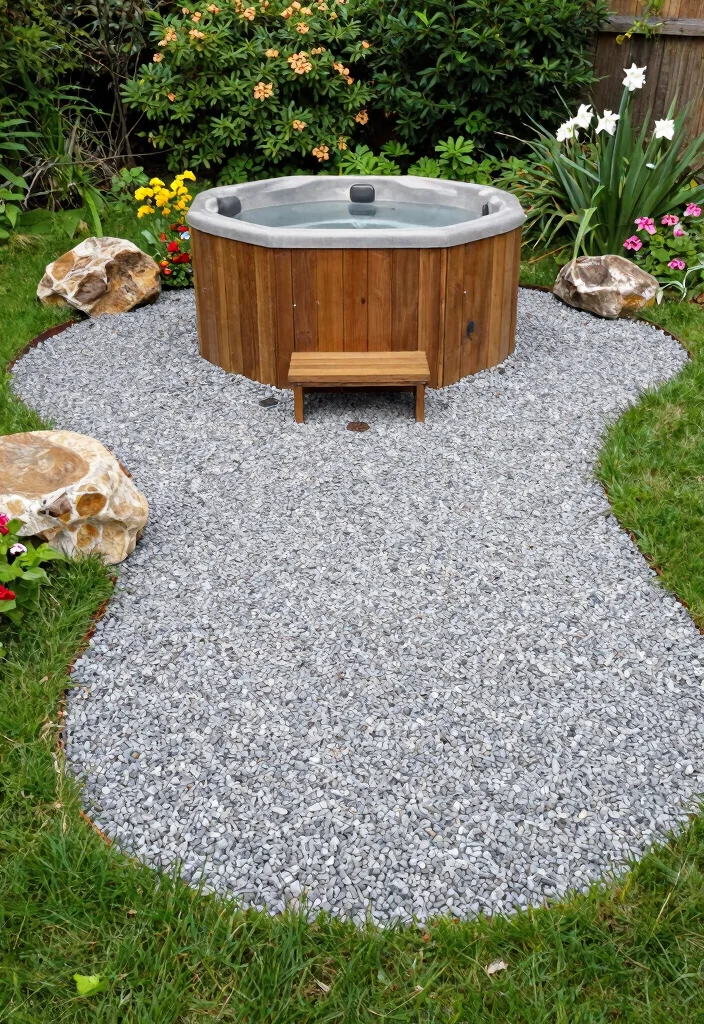
If you love a rustic vibe, a gravel base is a great choice for your hot tub. It’s not only budget-friendly but also easy to set up, making it a popular option among homeowners. The loose stones allow for excellent drainage, preventing those pesky puddles from forming under your hot tub, which can be a real hassle.
To create a solid gravel base, start by laying down a durable weed barrier before adding a thick layer of gravel. This prevents weeds from ruining your outdoor aesthetics. Opt for gravel around ¾ inch for the best stability and comfort when you step out of the tub.
Benefits of a gravel base include:
– Affordable: Cost-effective compared to other materials.
– Drainage: Prevents water accumulation, safeguarding your landscape.
– Versatile: Blends well with most outdoor designs.
– DIY-Friendly: Installation can be a fun weekend project.
Adding decorative stones or pebbles around your hot tub can enhance its visual appeal, giving your outdoor space a charming touch.
2. Poured Concrete for a Sleek Look
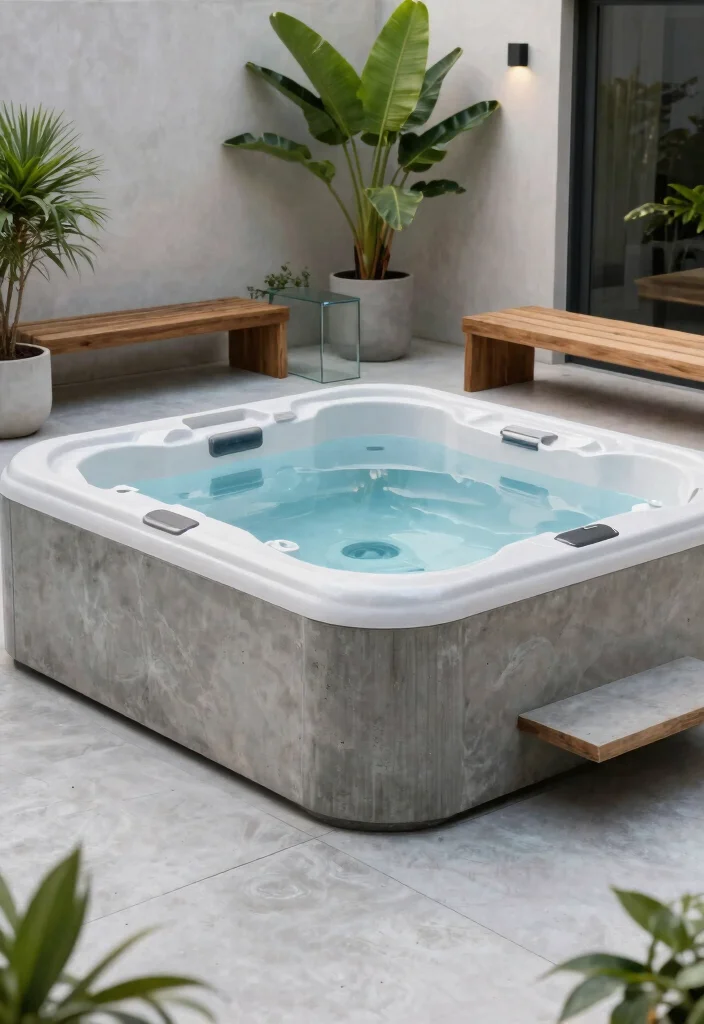
For a modern and sophisticated look, consider a poured concrete base for your hot tub. This option is not only stylish but also incredibly durable, supporting the weight of your tub effortlessly. To get started, clear the area, form it, and reinforce it before pouring the concrete for a smooth finish.
Once it cures, you can customize it with paint or stain to match your outdoor theme. Concrete is great for evenly distributing weight, ensuring your hot tub remains stable, whether it’s filled with water or friends.
Key points to consider about concrete:
– Longevity: This material can last for decades if properly maintained.
– Customizable: Stains or stamps can give it a unique appearance.
– Low Maintenance: Easy to clean and resistant to rot or pests.
– Weather Resistant: Performs well in various climates.
Don’t forget to seal the concrete to protect it from moisture and keep it looking fresh year-round.
Fun fact: A poured concrete base distributes a hot tub’s weight evenly, reducing wobble by up to 30%. Reinforce and finish it for a durable, paintable surface that stays sleek, supporting your hot tub base ideas for years.
Poured Concrete for a Sleek Look
Editor’s Choice




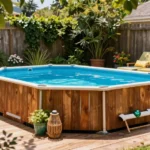
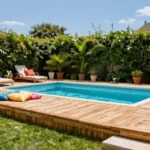
3. Wooden Decking for Natural Warmth
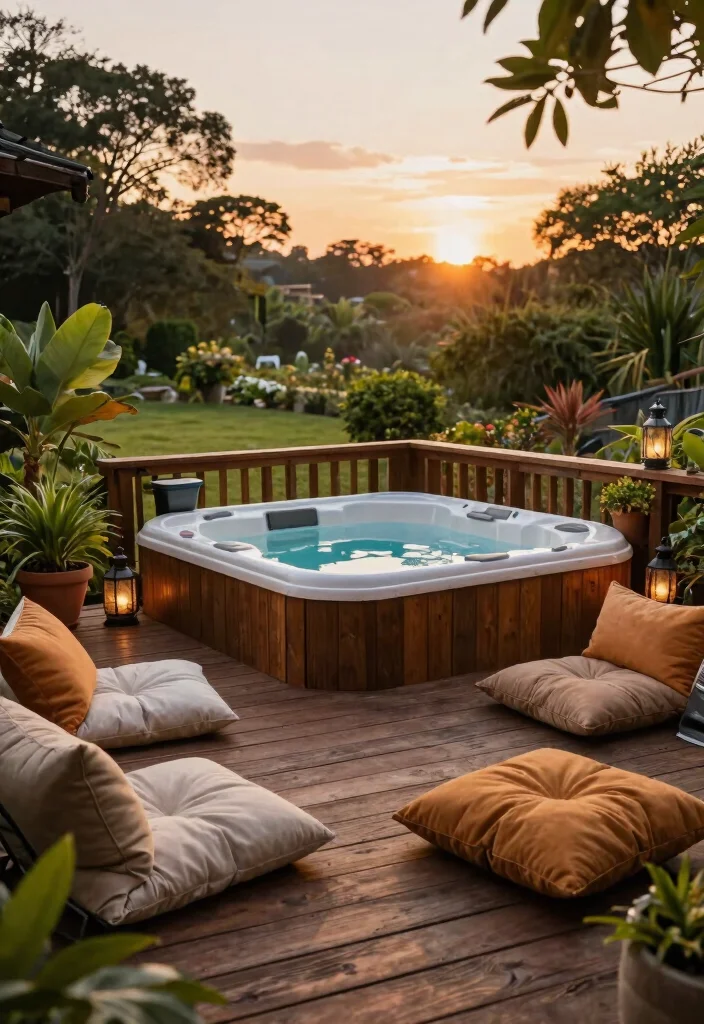
Imagine stepping into your hot tub on a warm wooden deck that adds natural charm to your garden. A wooden decking base not only enhances the beauty of your outdoor space but also feels great underfoot. Choose treated lumber or composite materials to ensure that your base stands up to moisture and wear.
Make sure the supporting structure can handle the combined weight of the hot tub and the water inside. For added stability, use proper joists to distribute weight evenly.
Consider these advantages of wooden decking:
– Aesthetic Appeal: Complements many garden styles beautifully.
– Comfortable: Provides a warm surface compared to stone or concrete.
– Versatile Design: Can be customized to suit any size or shape.
– Integrated Seating: Can easily be designed to include built-in seating around the hot tub.
Adding outdoor cushions and throws can turn this space into your favorite relaxation spot, inviting you to unwind in style.
Fun fact: hot tub base ideas using wooden decking can spread the weight across 8–12 joists, reducing stress and wobble. Add warmth underfoot while protecting moisture-prone areas—natural charm that lasts.
Wooden Decking for Natural Warmth
Editor’s Choice


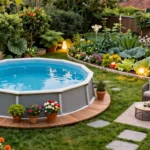
4. Patio Stones for a Classic Look
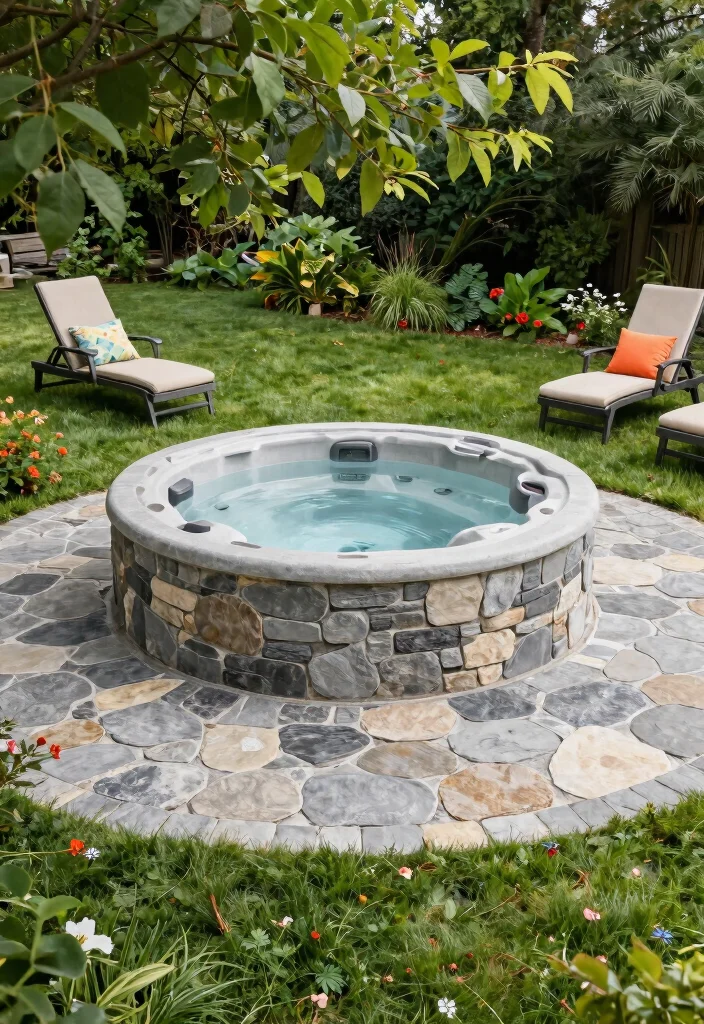
If you’re aiming for a classic appearance, patio stones offer a timeless solution for your hot tub base. Available in various shapes and sizes, they let you create a stylish and unique layout that can elevate your outdoor environment.
When installing, compact the soil and add sand beneath the stones to ensure a solid, level foundation. These stones are heavy enough to support the weight of the hot tub while providing excellent drainage.
Here are some reasons to choose patio stones:
– Timeless Design: Offers a classic, elegant look that never goes out of style.
– Durable: Resistant to most weather conditions, ensuring longevity.
– Variety: Available in multiple colors and textures, easy to match your landscape.
– Maintenance: Simple to clean and maintain.
Adding decorative gravel between the stones can enhance the look while providing contrast, making your hot tub area truly stand out.
Patio Stones for a Classic Look
Editor’s Choice


Key Trade-offs & Our Top Pick
Gravel Base
– Pros:
– Provides excellent drainage, preventing water pooling.
– Easy to install and adjust to different shapes and sizes.
– Offers a rustic, natural look that blends well with garden landscaping.
– Cons:
– Requires regular maintenance to keep stones from shifting.
– May not provide the stability needed for larger hot tubs.
– Can be uncomfortable to walk on without footwear.
– Best for: Small to medium-sized hot tubs in a natural setting.
Poured Concrete
– Pros:
– Extremely durable and can support heavy weights effortlessly.
– Customizable in terms of shape and finish, offering a sleek appearance.
– Low maintenance, requiring only occasional cleaning.
– Cons:
– Higher upfront cost compared to other options.
– Installation requires professional help and equipment.
– Can crack over time if not properly poured or cured.
– Best for: Larger hot tubs and those wanting a modern aesthetic.
Wooden Decking
– Pros:
– Provides a warm, inviting look that’s perfect for outdoor living spaces.
– Can be built around the hot tub, creating a seamless transition.
– Allows for customization in color and type of wood.
– Cons:
– Requires regular sealing and maintenance to prevent rot.
– Not the best choice for uneven ground, which can lead to instability.
– Can be slippery when wet, posing safety risks.
– Best for: Homeowners seeking a cozy, natural feel and who enjoy hands-on projects.
Patio Stones
– Pros:
– Easy to install and reposition, offering flexibility in design.
– Available in various colors and styles to match your outdoor décor.
– Provides a stable base that handles weight distribution well.
– Cons:
– May settle over time, requiring adjustments.
– Gaps between stones can collect dirt and weeds, needing occasional cleaning.
– Not as durable as poured concrete for heavier installations.
– Best for: Those wanting a balanced look and easy installation.
Grass or Turf
– Pros:
– Creates a soft, inviting area that feels comfortable underfoot.
– Blends seamlessly with garden landscaping for a natural look.
– Can support smaller hot tubs with proper soil preparation.
– Cons:
– Difficult to maintain with a hot tub in place, as it can damage the grass.
– Not ideal for heavy loads, leading to soil compaction over time.
– Requires a level base and ongoing maintenance.
– Best for: Families with small hot tubs and kids who enjoy the softness of grass.
Composite Materials
– Pros:
– Offers a modern look with a variety of design options available.
– Resistant to weathering and pests, making it durable over time.
– Low maintenance compared to wood or grass.
– Cons:
– May be more expensive upfront than traditional materials.
– Installation can be complex, requiring specialized tools.
– Some composites can fade with prolonged sun exposure.
– Best for: Homeowners looking for a modern solution that requires less upkeep.
Best Overall: Poured Concrete
Poured concrete stands out as the top choice for most people. It offers unmatched durability and stability, which are crucial for supporting heavy hot tubs. While the initial cost might be higher, its long-term benefits outweigh the investment. Poured concrete is also versatile, allowing for various finishes that can match your outdoor aesthetic beautifully. Plus, with minimal maintenance required, it continues to look great for years to come.
Why We Picked This:
While poured concrete is our top recommendation, some may prefer gravel for its low cost and natural appearance, especially in laid-back garden settings. Others might lean toward wooden decking for a cozy, inviting vibe. Assess your specific needs, budget, and style preferences to find the right hot tub base for your outdoor living space.
5. Grass or Turf for a Soft Feel
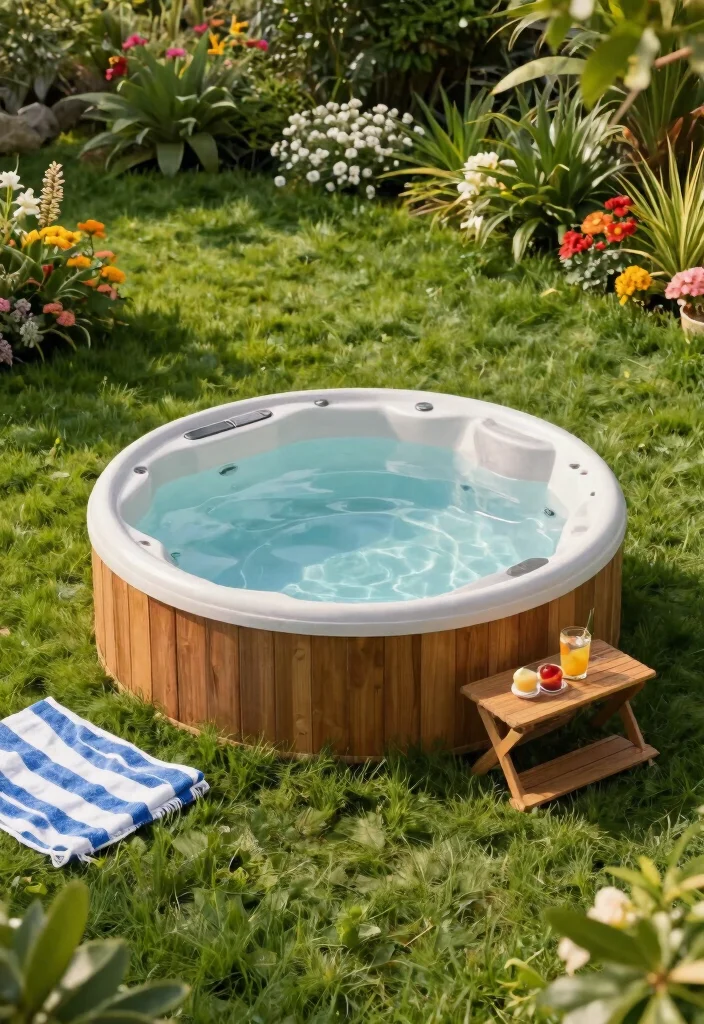
For a relaxed and natural feel, placing your hot tub directly on grass or turf can be a great option. While it might not provide as much stability as other bases, with the right care, it can create a lovely setting for your hot tub.
Ensure your grass is healthy and well-rooted to support the tub’s weight. Regularly check for any signs of wear, and consider using wood or composite boards underneath for added support if necessary.
Pros and cons of grass or turf include:
– Natural Look: Blends seamlessly into any garden environment.
– Comfortable Surface: Provides a soft surface for your feet and overall experience.
– Affordable: Often requires minimal investment.
– Environmental: Maintains a natural ecosystem in your garden.
Keep an eye on water drainage to avoid soggy spots, and think about using a protective mat underneath to help preserve your grass.
Grass or Turf for a Soft Feel
Editor’s Choice


6. Composite Materials for a Modern Twist
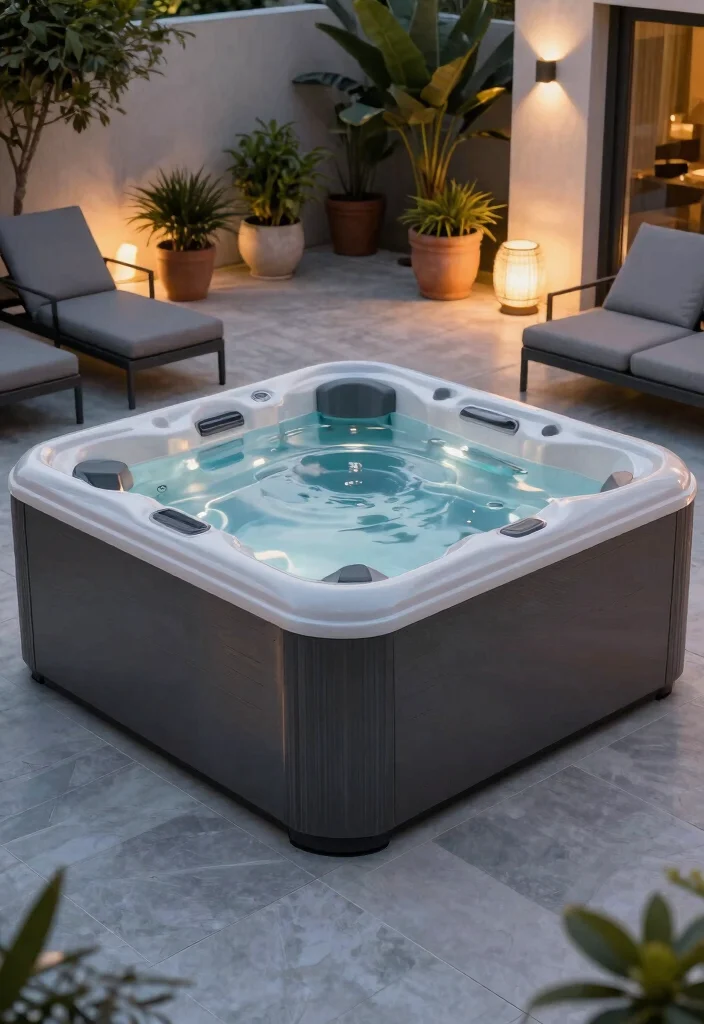
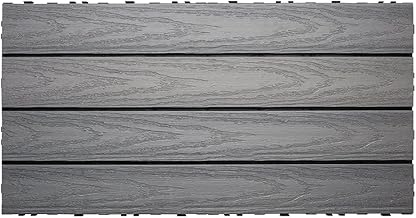
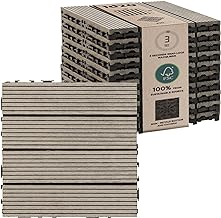
Composite materials are becoming a popular choice for hot tub bases, combining durability with a contemporary look. Designed to resist the elements, these materials are ideal for outdoor spaces.
They offer excellent weight distribution, providing a stable platform for your hot tub, even when it’s filled. With a variety of colors and finishes available, you can easily customize your setup to fit your style.
Benefits of composite materials include:
– Low Maintenance: Requires less upkeep compared to wood.
– Eco-Friendly: Often made from recycled materials, reducing your carbon footprint.
– Weather Resistant: Withstands rain and snow without damage.
– Aesthetic Versatility: Can be designed to suit various styles from contemporary to rustic.
Pairing composite materials with decorative railings or integrated seating can create a cohesive outdoor relaxation space that is both functional and stylish.
Composite bases are smart hot tub base ideas—resisting the elements while staying sturdy even when full. They’re low-maintenance and offer modern style with excellent weight distribution. Color and finish options let you tailor the look to your outdoor living space.
Composite Materials for a Modern Twist
Editor’s Choice


Conclusion
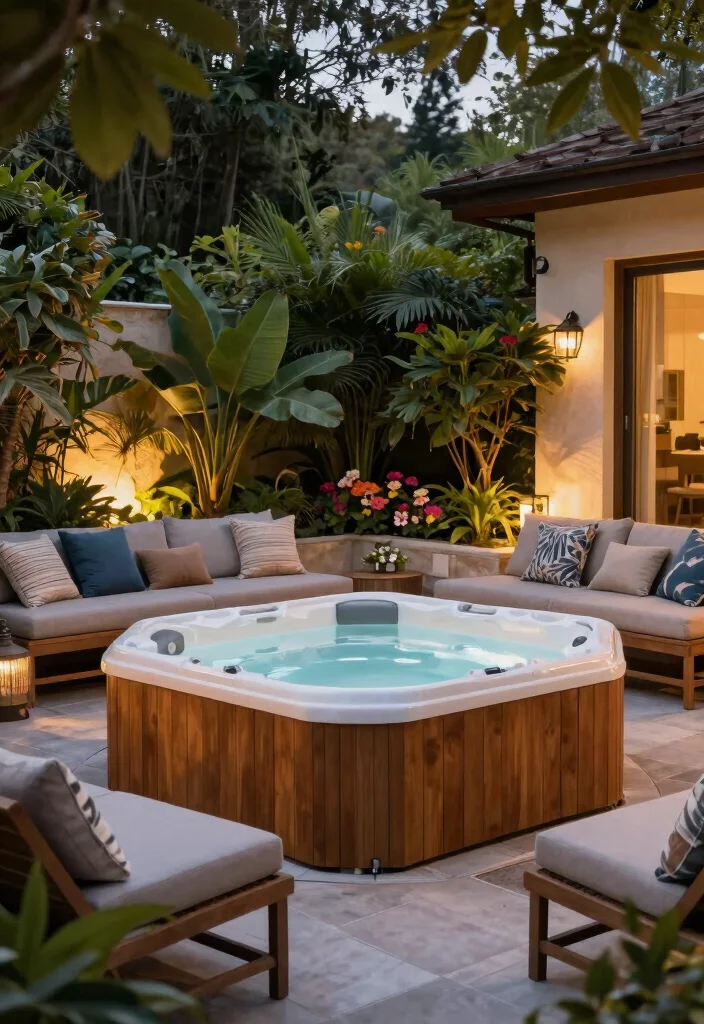
Selecting the right base for your hot tub is crucial, not only for ensuring safety but also for enhancing the beauty of your outdoor living space.
From gravel to composite materials, each option offers unique benefits that cater to different styles and preferences.
Don’t forget to consider your garden landscaping and how the base complements your overall aesthetic. Embrace your creativity and make your dream hot tub oasis a reality!
Note: We aim to provide accurate product links, but some may occasionally expire or become unavailable. If this happens, please search directly on Amazon for the product or a suitable alternative.
This post contains Amazon affiliate links, meaning we may earn a small commission if you purchase through our links, at no extra cost to you.
Frequently Asked Questions
What are the best hot tub base ideas to support the weight and prevent sinking?
Choosing the right base is all about even weight distribution and solid drainage. Here are the top hot tub base ideas you can consider for most outdoor spaces:
– Poured concrete slab (4-6 inches, reinforced) on a well-drained subgrade
– Reinforced paver patio on a compacted crushed-stone sub-base for solid support and drainage
– Stabilized gravel base with edging and a solid surface like concrete or pavers
– A sturdy raised deck designed to handle full tub weight with proper joist spacing and blocking
Actionable steps: determine the tub’s full weight, confirm the subgrade drainage, level the site, and consult a pro if you’re on clay or expansive soil. Never install on bare soil or mulch, which shift and settle.
How do I choose between concrete slab, pavers, gravel, or decking for a hot tub base in my garden?
Choosing the right base comes down to weight distribution, soil conditions, and how you want your outdoor living spaces to look and feel.
Concrete slab: extremely stable and best on a well-drained subgrade; ideal for a permanent, heavy tub.
Pavers on a compacted base: flexible layout, good drainage, easier replacement.
Gravel base: low cost and quick to install, but needs edging and a smooth top surface.
Decking: integrates with a patio or garden but requires load-rated framing and proper spacing.
Tips: check the tub’s full weight rating, assess soil type, ensure drainage away from foundations, and plan maintenance access.
What soil preparation steps are needed before installing a hot tub base?
Proper soil preparation is critical to avoid sinking and uneven footing. Start with a site assessment and remove organics, rocks, and debris. Grade the area so water drains away from the house and potential foundations. Lay a weed barrier, then install a sub-base of compacted crushed stone or gravel. If you have clay or expansive soil, add a moisture barrier and consider a thicker concrete slab or a rigid base. Finally, compact the base thoroughly and verify level before placing the tub.
How can I integrate a hot tub base into outdoor living spaces and garden landscaping?
Make the hot tub base feel like a natural part of your garden by choosing materials that echo your garden landscaping. Match adjoining patios, paths, or decking and use crisp edging to keep sand and soil in place. Plan drainage so water flows away from structures and plantings, and leave space for maintenance access. Add built-in seating, planters, or a privacy screen around the base, plus warm lighting to create a welcoming outdoor living space.
Is it safe to install a hot tub on a raised deck or wooden surface, and what base requirements apply?
Yes, with the right design. Ensure the deck is rated to carry the full weight of the tub when filled. You’ll likely need added joists, blocking, and sometimes a steel frame or a solid platform to share the load. Install a moisture barrier beneath the tub and protect the wood from water damage. Provide proper drainage away from the house and ensure non-slip, weather-resistant surfaces for safety. Always follow local codes and consult a structural professional if in doubt.