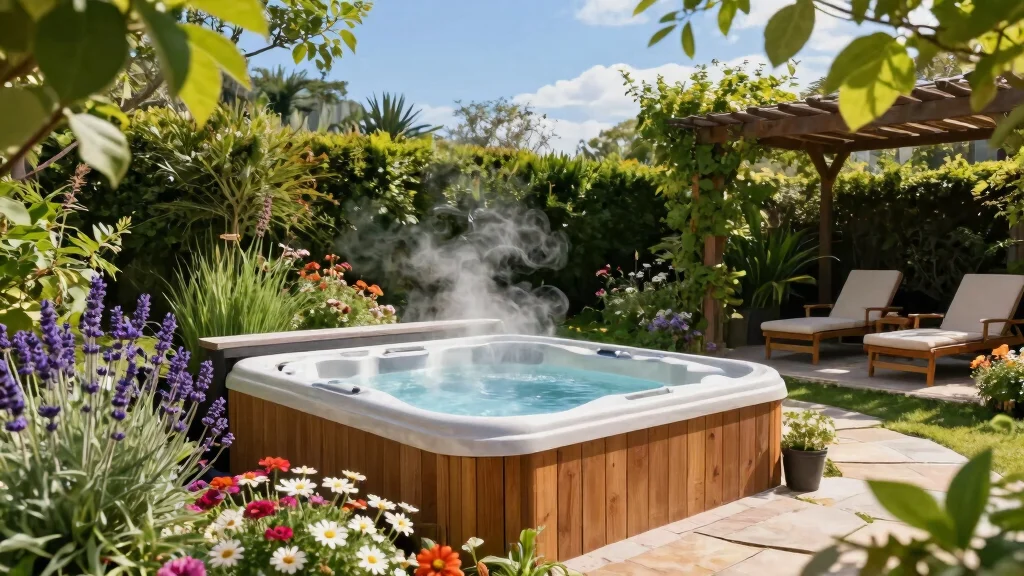
Outdoor hot tubs can turn your garden into a personal sanctuary. They offer a unique way to relax and unwind, no matter the season or climate. This post was created to inspire you with practical ideas for enhancing your outdoor space. Whether you live in a warm region or a colder climate, I’ve gathered 12 refreshing outdoor hot tub ideas that blend comfort and eco-friendliness.
If you’re passionate about gardening and want to make your backyard a relaxing retreat, this guide is for you. It’s packed with creative outdoor spa designs that incorporate sustainable practices. You’ll discover ways to design your hot tub spaces to fit harmoniously with your garden. From incorporating native plants to using solar power, these ideas will help you create an outdoor oasis that aligns with your values.
By the end of this post, you’ll have actionable strategies that encourage relaxation while being kind to the environment. Each idea is designed to enhance your outdoor living spaces, ensuring your backyard becomes a haven for relaxation, no matter where you are. Let’s dive into these inspiring outdoor hot tub ideas!
Key Takeaways
– Discover eco-friendly designs like the Eco-Friendly Wooden Hot Tub that harmonize with nature while providing comfort.
– Learn about native plant landscaping to enhance your hot tub area, making it not just beautiful but also beneficial for local wildlife.
– Explore solar-powered hot tub innovations that allow you to enjoy a warm soak while reducing your carbon footprint.
– Gain insights into themed hot tub spaces that create unique experiences for your family and friends, from tropical retreats to Zen gardens.
– Uncover practical tips for integrating your hot tub with your garden, enhancing the look and feel of your outdoor space while ensuring year-round enjoyment.
1. The Eco-Friendly Wooden Hot Tub
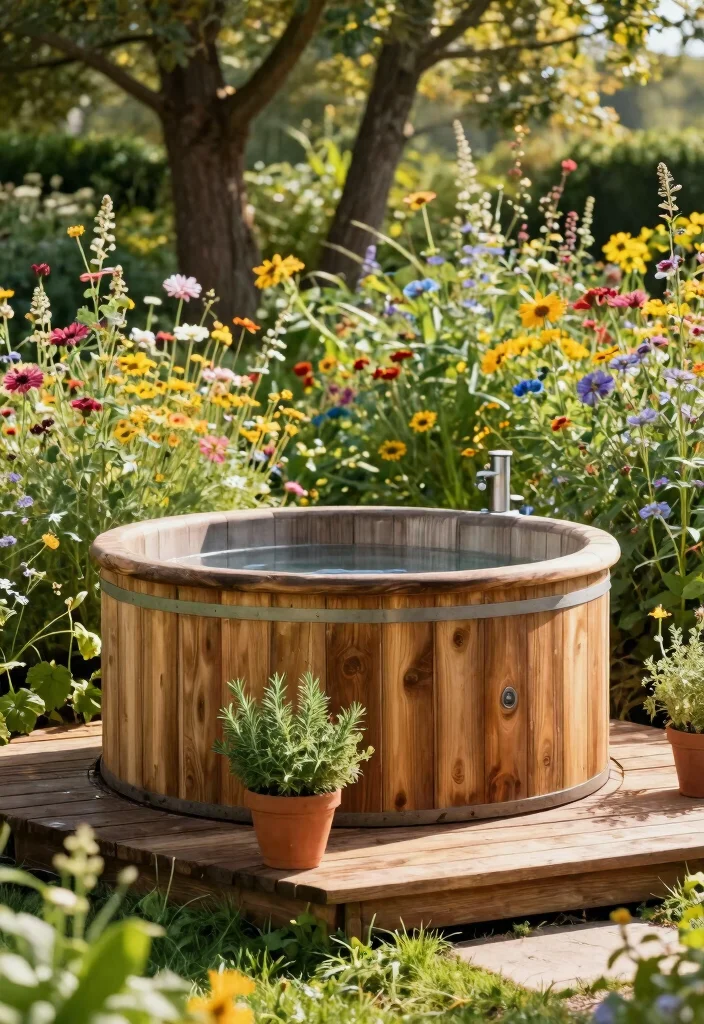
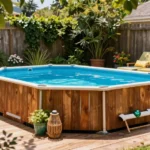
Imagine soaking in a beautiful wooden hot tub that harmonizes perfectly with nature. Choosing sustainably sourced timber not only helps the environment but also offers a cozy vibe that enhances your outdoor area. These tubs often feature natural insulation, such as sheep’s wool, to keep the warmth in while using less energy.
To elevate your hot tub experience, surround it with native plants that flourish in your region, creating a lush, green oasis. You might add a small deck made from reclaimed wood, perfect for potted herbs and vibrant flowers, turning each soak into a sensory delight.
For maintenance: Regularly treat the wood with eco-friendly oils to preserve its beauty. Consider installing a solar water heater to warm your tub, using renewable resources.
This combination offers a stunning blend of beauty, sustainability, and relaxation all at once!
The Eco-Friendly Wooden Hot Tub
Editor’s Choice




2. Native Plant Landscaping Around Your Hot Tub
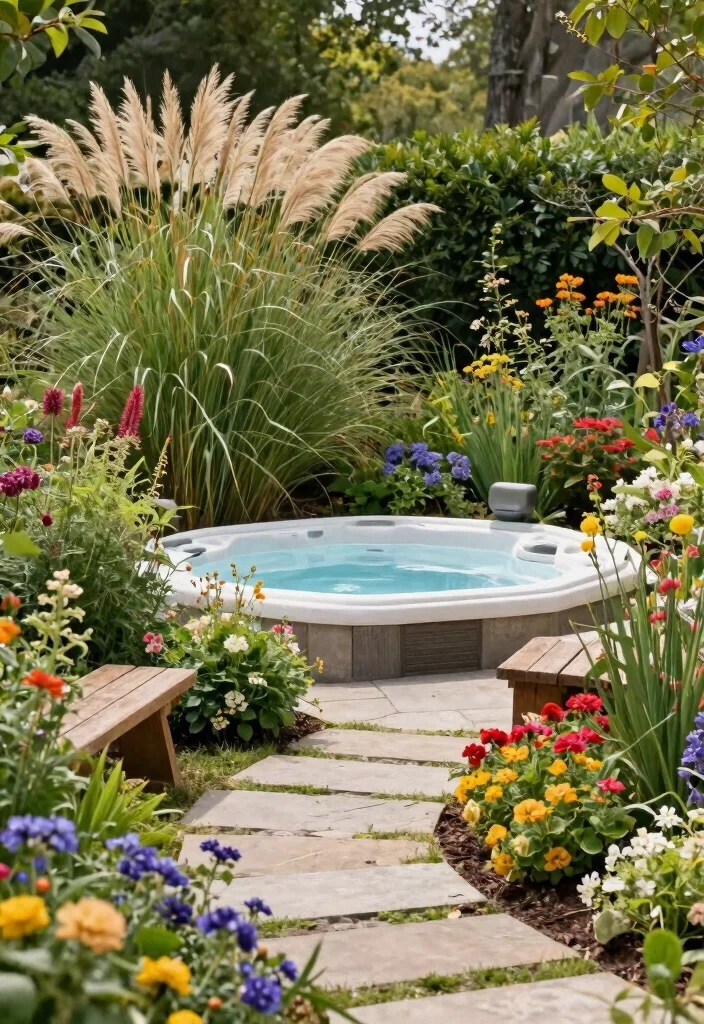
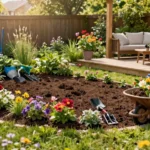
Creating a landscape with native plants around your hot tub fosters a vibrant ecosystem that benefits both you and local wildlife. Native species thrive in local conditions, making them easy to care for and less dependent on chemicals.
Design an inviting space by mixing colors and textures from various plants. Choose ornamental grasses, colorful perennials, or small shrubs to provide privacy and enhance the setting.
A winding stone or mulch path can guide guests from your garden to the hot tub, encouraging exploration. Include shaded seating areas with benches for relaxing moments amidst nature.
Opt for plants that bloom in different seasons to ensure a beautiful view year-round, from spring flowers to autumn foliage.
3. Solar-Powered Hot Tub Innovations
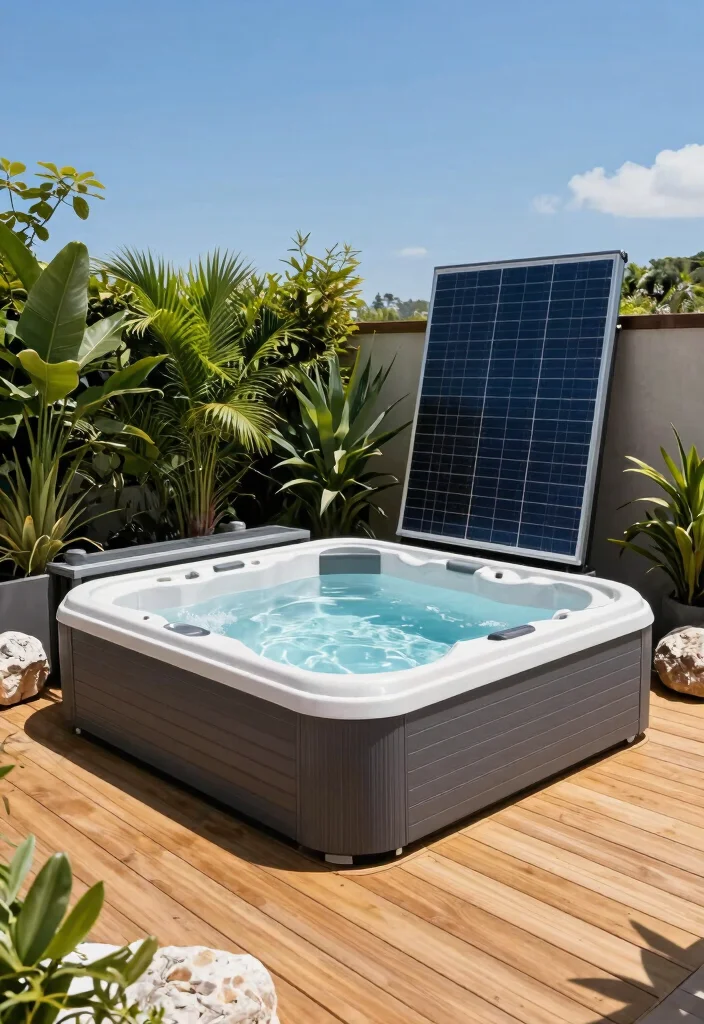
Solar-powered hot tubs are the epitome of eco-conscious relaxation. These tubs utilize solar energy to heat water, significantly lowering your energy bills and environmental impact. Many models feature advanced solar heating systems that efficiently harness sunlight for warmth, allowing you to enjoy a soak without relying on traditional energy sources.
When setting up your hot tub, ensure it’s positioned in a sunny spot with minimal shade during peak hours. Pair it with solar panels on your roof or in the yard for maximum efficiency.
Surround the tub with low-growing plants or decorative stones to highlight its innovative features.
Using a solar cover can help retain heat and keep your tub clean, enabling you to enjoy sunny days sustainably. These systems work well in sunny climates and have become increasingly effective in varied weather conditions.
Key Trade-offs & Our Top Pick
Option 1: Eco-Friendly Wooden Hot Tub
– Pros:
– Made from sustainable materials, promoting eco-friendliness.
– Natural insulation properties keep the water warm longer.
– Cons:
– Requires regular maintenance to prevent rot and damage.
– Can be more expensive upfront compared to other materials.
– Best for: Those wanting a rustic, natural look in their outdoor spaces while supporting sustainability.
Option 2: Solar-Powered Hot Tub
– Pros:
– Reduces energy costs by utilizing renewable energy.
– Eco-friendly solution that aligns with sustainable gardening practices.
– Cons:
– Performance can be affected by weather conditions.
– Initial installation can be complex and may require professional help.
– Best for: Environmentally conscious users looking to lower their carbon footprint.
Option 3: Hot Tub Gazebos
– Pros:
– Provides shelter and enhances comfort during all weather conditions.
– Adds aesthetic appeal and can serve multiple functions in your outdoor space.
– Cons:
– Can take up significant space in smaller yards.
– Installation may require additional construction skills.
– Best for: Individuals who want a multi-purpose structure for relaxation year-round.
Option 4: Themed Hot Tub Spaces
– Pros:
– Creates a unique, enjoyable experience tailored to your interests.
– Can include various features like lighting and greenery to enhance the atmosphere.
– Cons:
– May require a higher investment for custom designs and decorations.
– Theming can become outdated, necessitating redesigns later.
– Best for: Those who love entertaining and wish to create a memorable backyard retreat.
Option 5: Minimalist Hot Tub Designs
– Pros:
– Simple and elegant, fitting seamlessly into any outdoor living space.
– Typically requires less maintenance and fewer accessories.
– Cons:
– May lack additional features that enhance comfort and experience.
– Might feel less inviting for larger gatherings.
– Best for: Users who prioritize simplicity and a clean aesthetic in their outdoor areas.
Best Overall: Eco-Friendly Wooden Hot Tub
The Eco-Friendly Wooden Hot Tub stands out as the top choice for many because it combines sustainability with comfort. It provides excellent insulation and a warm, inviting aesthetic that fits well in any garden. The long-term durability of quality wood, when properly maintained, can deliver great value. This option is versatile enough for various backyards and remains a staple in eco-conscious outdoor living spaces.
Why We Picked This:
We chose the eco-friendly wooden hot tub as the best overall option due to its balance of style, function, and sustainability. However, if you are looking for energy efficiency, the solar-powered hot tub may be a better fit. For those who entertain frequently, themed hot tub spaces might be more appealing. Each option caters to different needs, so consider what matters most to you when making your choice!
4. Hot Tub Gazebos for Year-Round Use
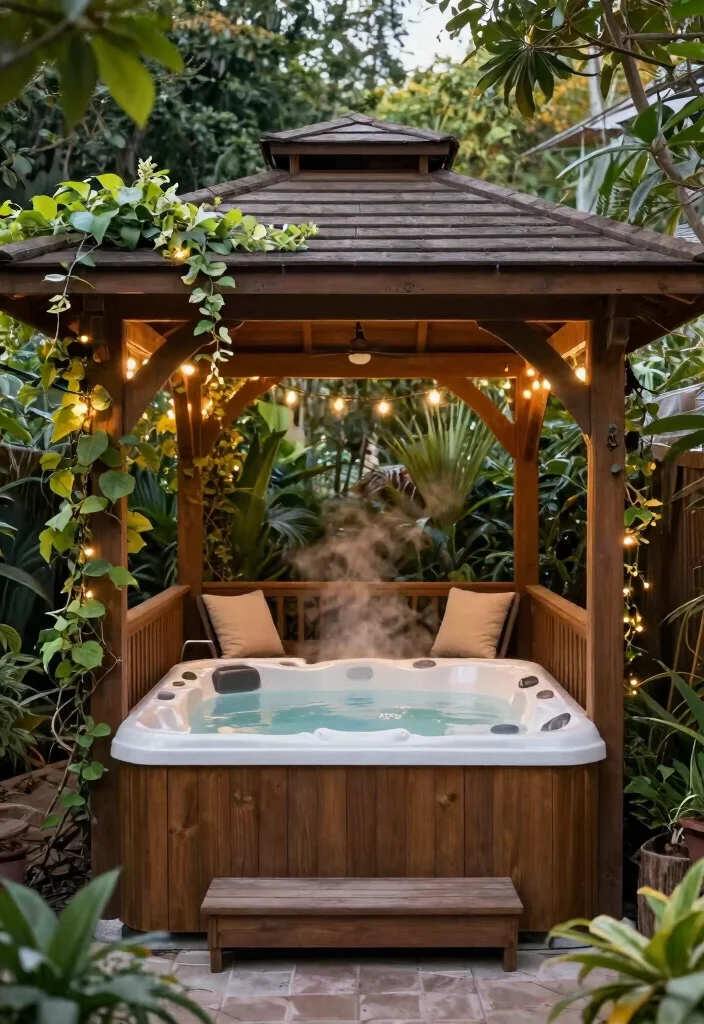
Adding a gazebo around your hot tub offers shelter from the elements, making your outdoor spa accessible year-round. These structures can be crafted from eco-friendly materials like reclaimed wood, enhancing your garden’s beauty.
In summer, a gazebo provides shade for relaxation, while in winter, it keeps you warm and cozy during your soak. You might want to add removable side panels made from clear, recycled plastic or glass to shield against wind and rain while preserving your view.
Enhance the atmosphere with climbing plants or fairy lights for a magical evening vibe. Furnishing the gazebo with comfortable seating and a small table for drinks transforms it into a welcoming retreat for gatherings.
This setup provides a perfect escape for friends and family, no matter the season.
Fun fact: A simple gazebo with removable panels can cut wind exposure by up to 60% and heat loss by about 30%, extending year-round outdoor hot tub ideas in practice. Pair it with reclaimed-wood framing for eco-friendly privacy and style.
5. Incorporating Stone Features for Natural Aesthetics
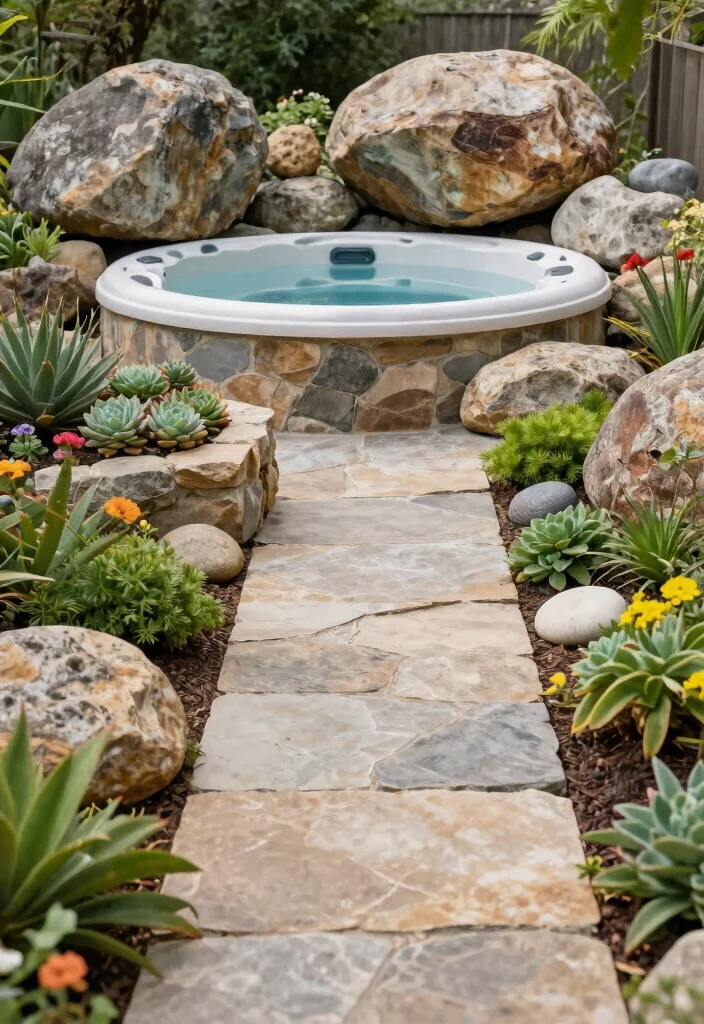
Integrating stone features around your hot tub can elevate its natural beauty while providing a solid base. Natural stone patios or pathways leading to the hot tub create a seamless transition from your garden to your relaxation zone.
Consider stacking stones to form raised planters filled with fragrant herbs or succulents, which can add privacy and charm. Boulders or smaller stones can also enhance the rustic look while complementing your hot tub.
Using porous stones promotes better drainage, helping to maintain a healthy environment around the tub. This landscaping approach blends seamlessly with nature, offering a tranquil escape that feels like a serene retreat in the wild.
Pro Tip: Layered stone features can cut maintenance time by guiding rainwater away from your outdoor hot tub, while doubling as a natural privacy screen. Stack stones to frame raised planters with herbs, and watch the space become a fragrant, eco-friendly retreat.
6. Biodiversity-Friendly Hot Tub Design
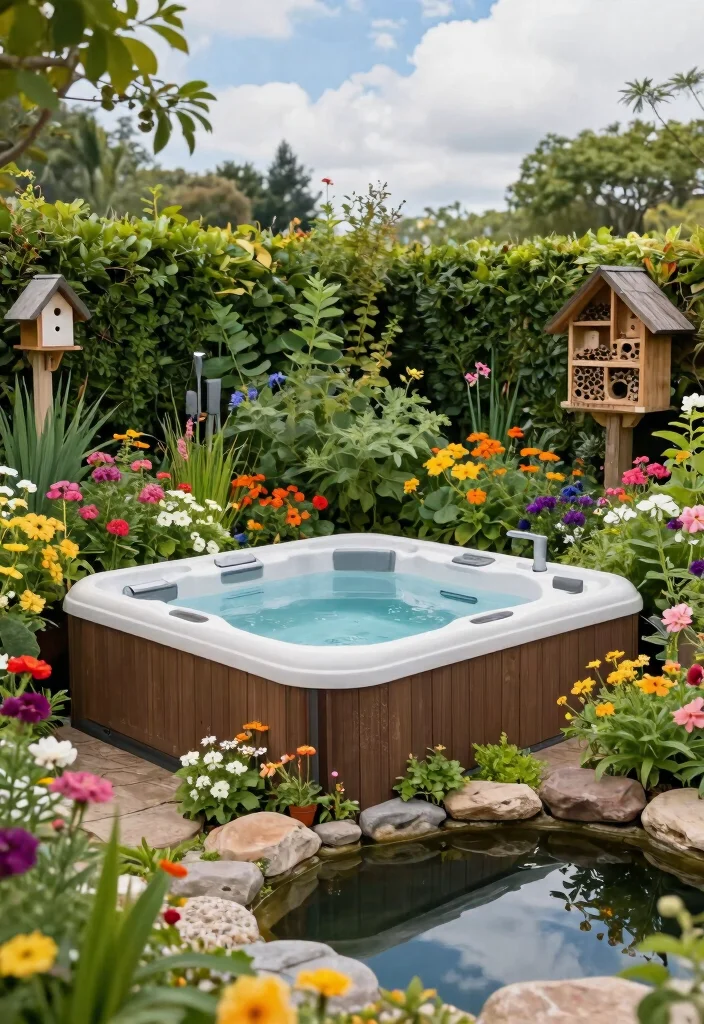
Incorporate biodiversity-friendly features into your hot tub area to attract beneficial insects and wildlife. Selecting plants that provide food and habitat for pollinators fosters a thriving ecosystem around your outdoor spa.
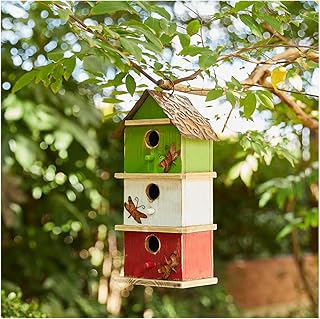
Include flowering plants that bloom at various times to ensure a consistent nectar supply throughout the year. You could add birdhouses or bug hotels nearby to support local creatures.
These eco-friendly designs not only enhance your relaxation experience but also create a soothing environment filled with delightful sounds of nature.
Adding a small pond or water feature can further enrich the ambiance, promoting biodiversity while offering a peaceful soundscape.
Biodiversity-Friendly Hot Tub Design
Editor’s Choice


7. Hot Tub with Rainwater Harvesting Systems
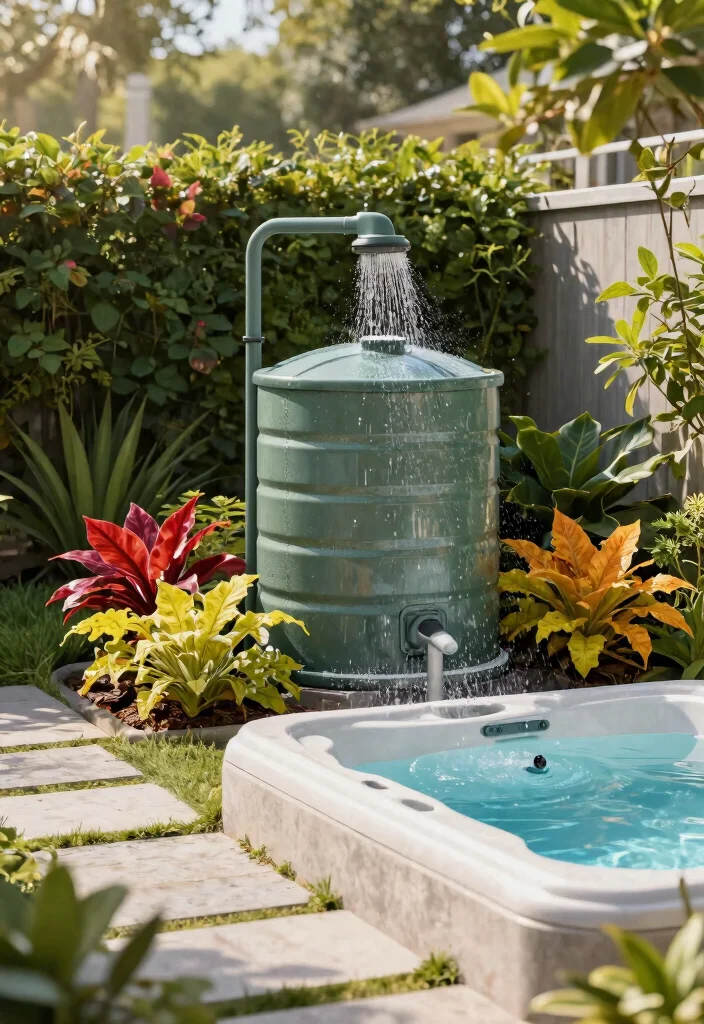
Integrating a rainwater harvesting system with your hot tub is a smart, sustainable choice for maintaining water levels. This system collects rainwater from your roof or patio, storing it for filling your hot tub.
This eco-friendly method conserves water and provides a natural irrigation source for your garden. When designing your setup, ensure easy access for maintenance while blending it into your outdoor space.
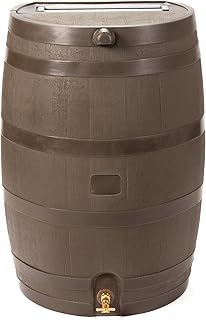
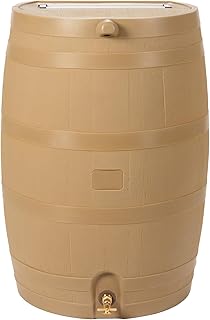
Use decorative rain barrels that match your garden style, surrounding the collection point with moisture-loving plants.
This approach not only benefits the environment but also creates an eye-catching feature that guests will appreciate.
Hot Tub with Rainwater Harvesting Systems
Editor’s Choice



8. Themed Hot Tub Spaces for Unique Experiences
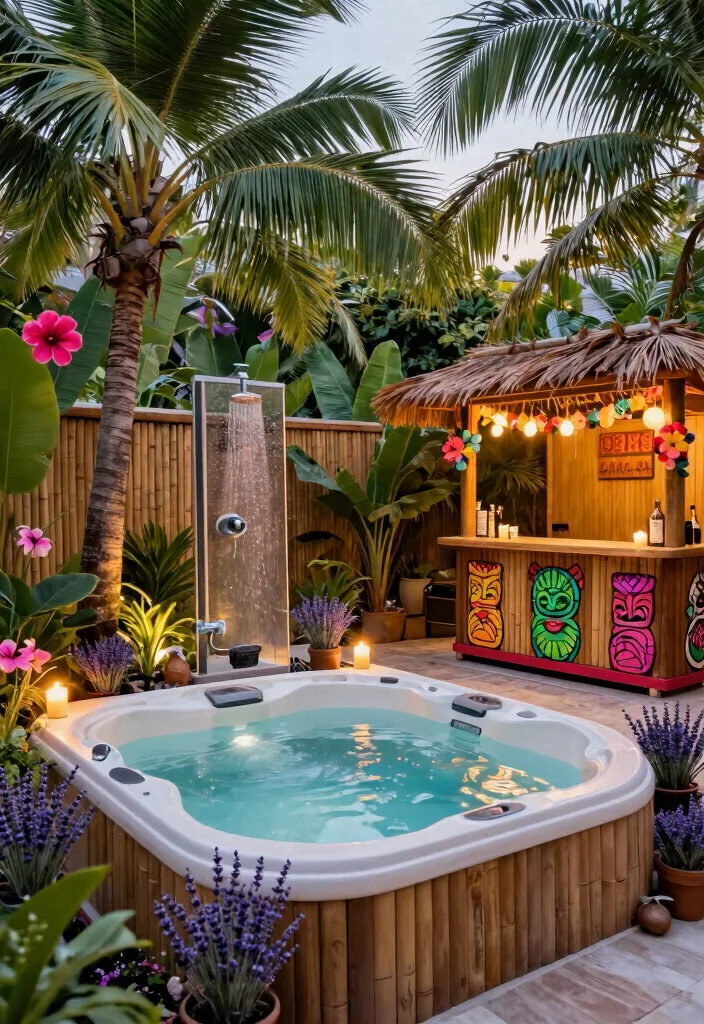
Create a themed hot tub area that reflects your favorite vacation destinations or personal style. For a tropical vibe, surround your hot tub with palm trees, bright flowers, and bamboo accents to bring paradise to your home.
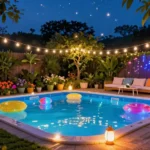
If you prefer a spa-like feel, use soft lighting with candles, aromatic plants like lavender, and soothing water features nearby. You might even consider adding a tiki bar or outdoor shower to enhance the experience.
The beauty of themed spaces is their ability to showcase your personality while creating a magical atmosphere. Choose decor that resonates with you, transforming your hot tub area into a personal sanctuary for relaxation.
Each soak can feel like a mini-vacation in your own backyard.
9. Fire Pits for Cozy Evenings
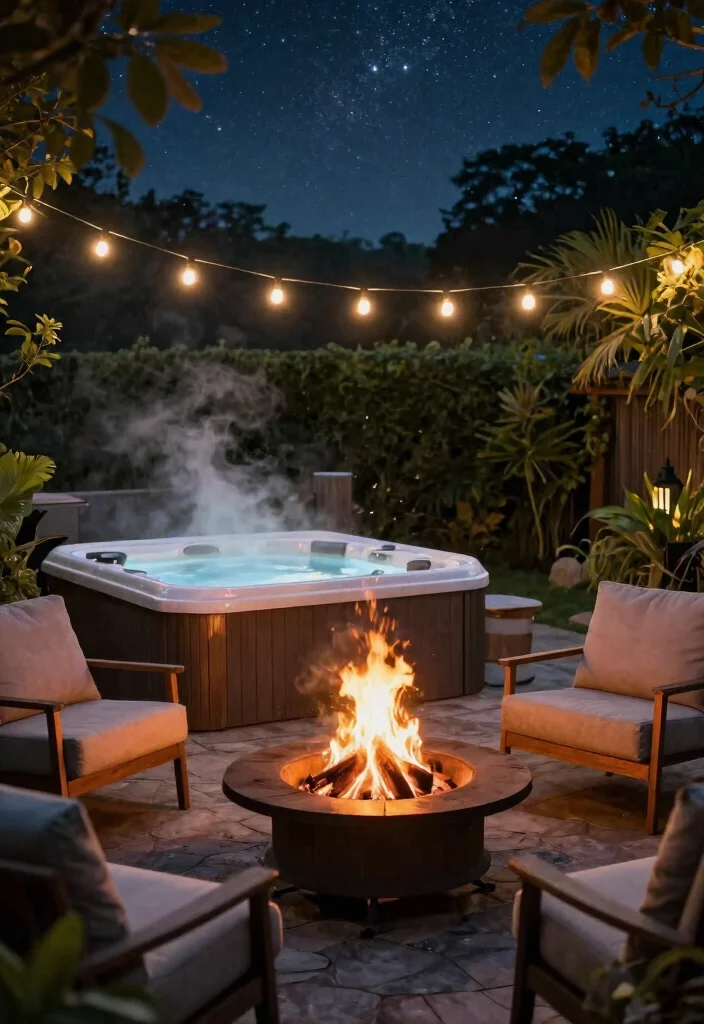
Incorporating a fire pit near your hot tub creates a cozy spot for enjoyable evenings with friends. Fire pits provide warmth and ambiance, perfect for chilly nights when you want to soak under the stars.
Opt for eco-friendly models using bioethanol or recycled materials to minimize environmental impact while enhancing comfort. Arrange seating around the fire pit to create an inviting area for conversation and relaxation.
Use natural materials like stone or reclaimed wood to maintain a cohesive look with your hot tub setup. Adding string lights overhead can create a magical nighttime atmosphere.
With this arrangement, your outdoor space becomes a perfect retreat for socializing or unwinding after a long day.
Fire Pits for Cozy Evenings
Editor’s Choice


10. Minimalist Hot Tub Designs for Zen Spaces
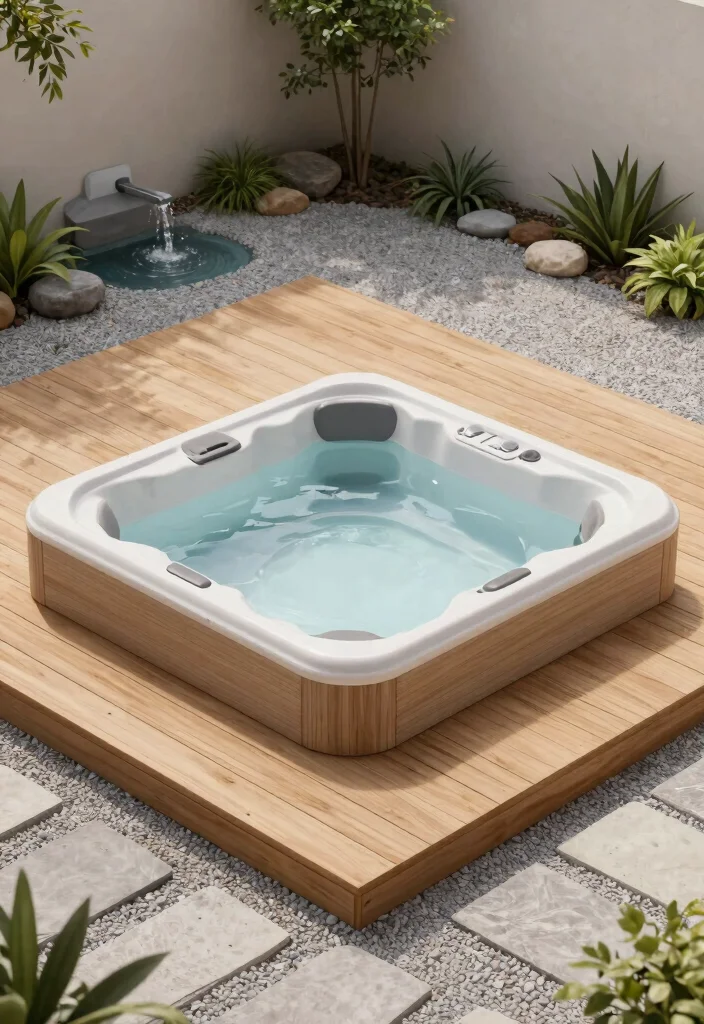
Adopt a minimalist approach by selecting sleek, modern hot tubs that promote simplicity and tranquility. A minimalist design features clean lines, neutral colors, and an emphasis on functionality.
Surround your hot tub with a simple wooden deck, smooth stones, or gravel to cultivate a serene environment that encourages relaxation. In these spaces, less truly is more: choose a few well-placed plants that complement the design without overwhelming it.
Incorporating water features, such as a small fountain or pond, can further enhance the zen-like quality of your area.
Minimalist hot tub designs are ideal for anyone wishing to create a soothing haven in their garden.
❝ Minimalist spaces feel calmer, especially with outdoor hot tub ideas that limit clutter. Keep clean lines, neutral tones, and a simple deck—then let one thoughtfully placed plant do the rest. In these Zen spaces, less truly is more, and you’ll notice the difference instantly.
11. Hot Tub and Garden Integration
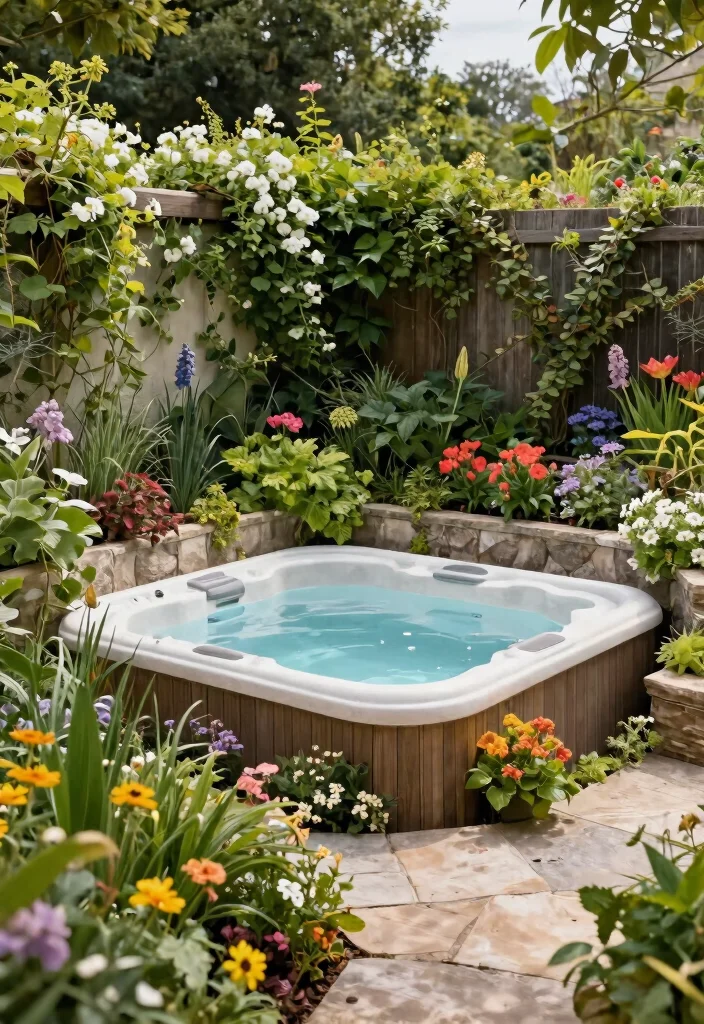
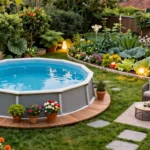
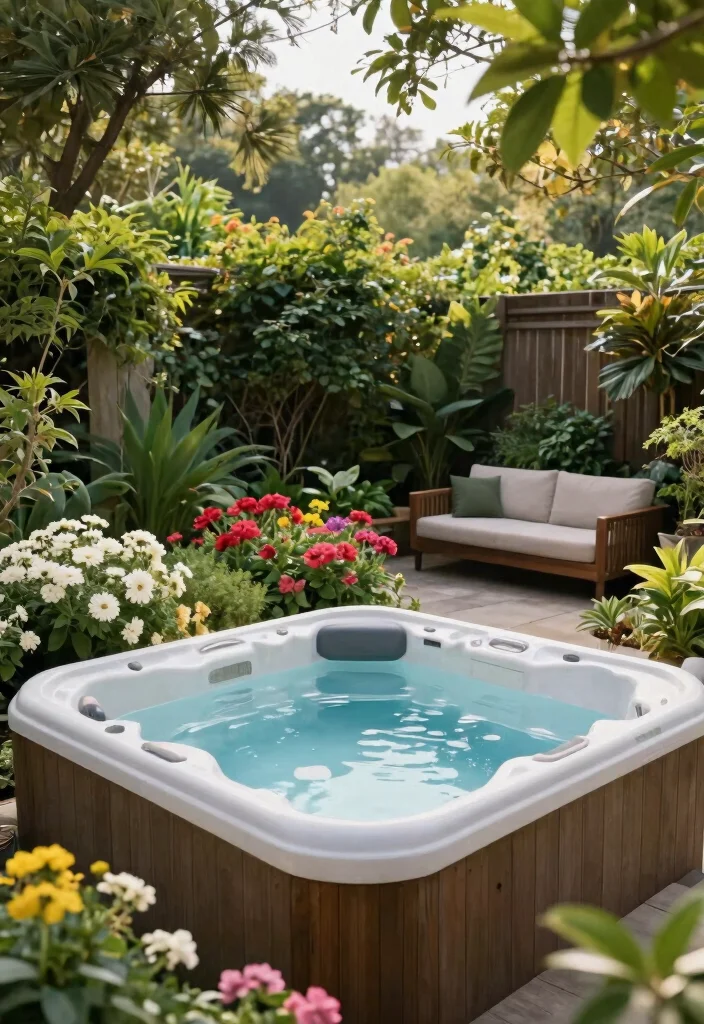
Merging your hot tub with existing gardens creates a seamless connection between relaxation and nature. Position your hot tub to blend into the garden feature, rather than standing alone.
Surround it with flowering plants, climbing vines, or lush shrubbery to enhance privacy and visual appeal. Design tiered gardens where the hot tub sits higher, allowing you to enjoy stunning views of your garden.
Incorporate pathways made of stones or natural materials to connect various areas of your outdoor space. This integration encourages more outdoor time, as the beauty of the garden and the relaxation of the hot tub complement each other beautifully.
Choose plants that thrive in your climate and require minimal upkeep for the best results.
12. Outdoor Spa Day Setups
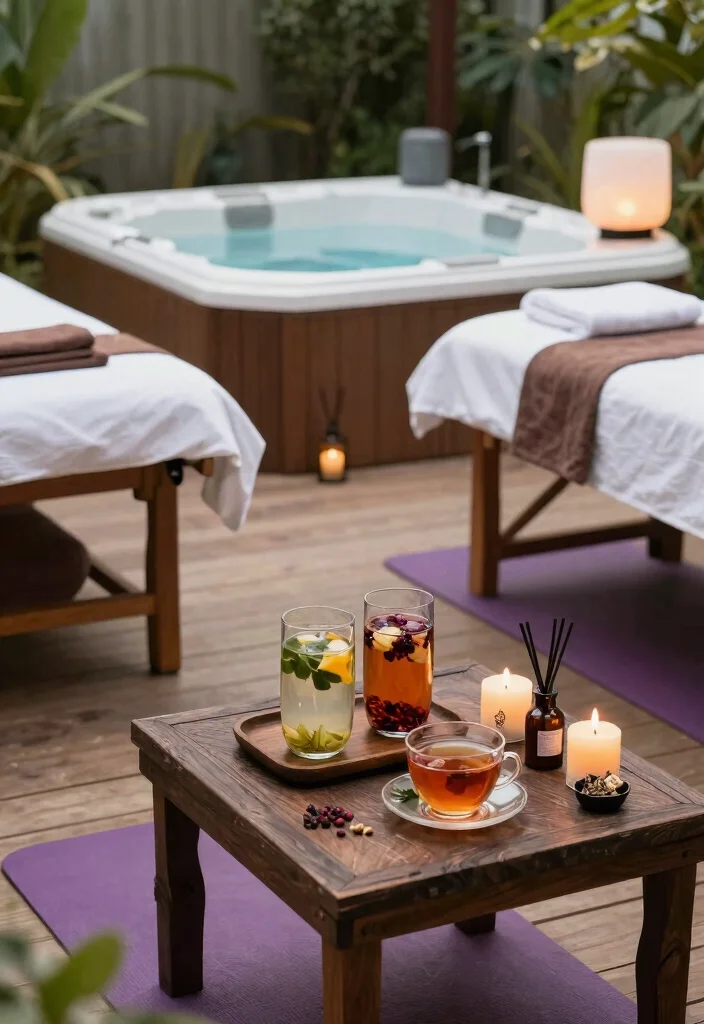
Transform your outdoor area into a spa retreat by organizing an outdoor spa day around your hot tub. Create an experience filled with relaxation by including elements like massage tables, yoga mats, or a meditation space.
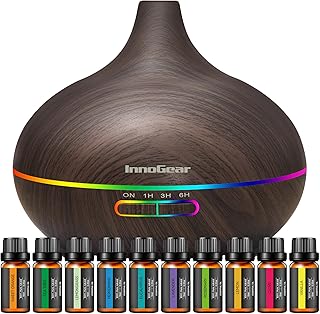
Offer refreshments such as infused waters, herbal teas, and healthy snacks to enhance the experience. Incorporate calming elements like essential oil diffusers or soothing sound machines to promote relaxation.
Consider themed spa days to cater to different moods, like relaxation Sundays or rejuvenating wellness Wednesdays. This setup encourages you to slow down, savor the outdoors, and prioritize self-care in a serene environment, boosting overall well-being.
Outdoor Spa Day Setups
Editor’s Choice




Conclusion
Creating an eco-friendly outdoor hot tub experience not only enhances your backyard but also nurtures a connection with nature. These ideas bring together sustainable practices and beautiful designs to transform your outdoor space into a serene retreat. Whether you’re incorporating native plants, using solar power, or designing unique outdoor areas, each concept adds value and relaxation to your life.
Consider which ideas resonate with you and start planning your very own sustainable oasis today!
Note: We aim to provide accurate product links, but some may occasionally expire or become unavailable. If this happens, please search directly on Amazon for the product or a suitable alternative.
This post contains Amazon affiliate links, meaning we may earn a small commission if you purchase through our links, at no extra cost to you.
Frequently Asked Questions
What are some climate-friendly outdoor hot tub ideas for a sustainable garden space?
For outdoor hot tub ideas that fit any climate, start with energy efficiency and smart siting. Choose an energy-efficient model with solid insulation and an insulated cover to minimize heat loss, and consider a solar-assisted heating option where feasible. Use a windbreak of evergreen shrubs or a trellis to cut cooling drafts and keep the water warmer with less energy. Surround the tub with heat-retaining hardscape materials like stone or concrete pavers, and plant native, drought-tolerant species nearby to reduce irrigation needs. Add a variable-speed pump and a programmable timer to run filtration during off-peak hours, lowering energy use. With these climate-friendly hot tubs and thoughtful hot tub landscaping, you’ll enjoy comfort without draining the garden’s resources.
How can I blend outdoor spa designs with hot tub landscaping for year-round comfort?
Start by planning a flow that ties the hot tub into your outdoor living spaces and hot tub landscaping theme. Place the tub where it can catch winter sun but remains sheltered from harsh winds, using pergolas or screens to create a cozy mood across seasons. Choose a cohesive materials palette—stone, weathered wood, and gravel—that makes outdoor spa designs feel like part of the garden. Create zones for seating, privacy, and easy maintenance, and add lighting and heated seating to extend usability in spring and autumn. Evergreen screening helps with privacy while keeping the space inviting for backyard relaxation ideas all year long.
What are practical tips to build a sustainable outdoor hot tub setup suitable for any climate?
Turn outdoor hot tub ideas into a practical, eco-friendly plan by choosing a model with strong insulation and an efficient cover. Install a variable-speed pump and schedule filtration for off-peak hours to cut energy use, and consider mineral or ozone sanitation to reduce chemical consumption. Build the tub surround with durable, natural materials that fit your garden aesthetic, and position it on an insulated deck or pad to minimize heat loss. Surrounding landscaping should include windbreaks and native plants to create a microclimate that protects the tub, while native planting lowers maintenance and water needs—perfect for climate-friendly outdoor living spaces.
How can I maintain a low-impact routine while maximizing backyard relaxation ideas around my hot tub?
Keep maintenance eco-friendly with a smart approach to water and energy. Use a mineral or salt-based sanitizer and maintain proper pH to minimize harsh chemicals, and keep the cover on when not in use to reduce evaporation and heat loss. Run filtration during off-peak hours and opt for a variable-speed pump to match usage. Reuse safe graywater for garden irrigation where appropriate, and design around drought-tolerant plants to minimize watering. By pairing efficient equipment with thoughtful landscaping, your outdoor hot tub ideas create a serene, low-impact retreat on par with any backyard relaxation ideas.
What safety considerations should I keep in mind for outdoor hot tubs in different climates?
Safety comes first in every climate. Ensure non-slip decking around the tub and ample lighting for night use, plus weatherproof electrical connections with GFCI protection. Use a sturdy, lockable cover to prevent accidents and reduce heat loss. In cold climates, plan for frost protection with proper insulation and safe drain-down procedures; in hot climates, provide shade and ventilation to prevent overheating. Ensure proper drainage away from structures to avoid standing water, and establish clear boundaries for children and pets as part of your outdoor living spaces safety plan.